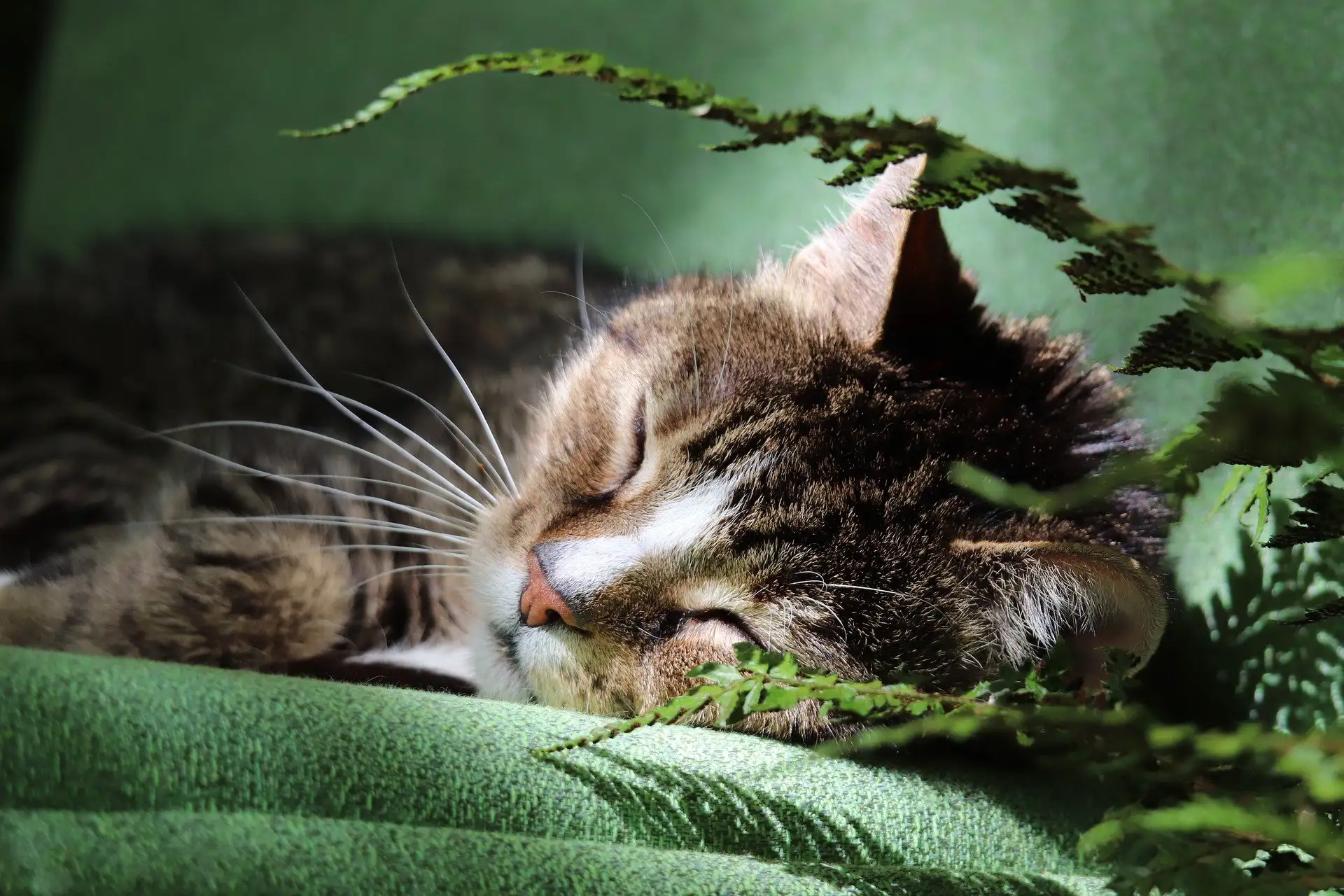

When was the last time your kitty had a checkup? At Faithful Friends Animal Clinic, your DeFuniak Springs, FL veterinary clinic, we often hear pet owners ask how often cats should see a vet, especially when their feline companion seems perfectly healthy. Cats are excellent at hiding discomfort, which makes routine visits more important than they may appear.
Understanding how often cats should see a vet helps you stay ahead of potential health concerns. Following a consistent cat checkup schedule, keeping up with annual vet visits, and prioritizing feline wellness exams are key parts of cat preventive care. These visits are not just for when something is wrong—they are essential for keeping your feline friend feeling their best.
Why Routine Vet Visits Matter for Cats
Your feline companion may not show obvious signs of illness, even when something is going on beneath the surface. This is part of their instinct to hide vulnerability.
Regular vet visits help your veterinarian spot small changes early. Even slight differences in your cat’s weight, behavior, or condition can give important clues about their health.
At our DeFuniak Springs, FL, pet clinic, we often detect early signs of health problems during routine exams, before they become more serious. Preventive care is key to helping your cat live a longer and more comfortable life.
How Often Should Cats See a Vet?
The answer depends on your cat’s age, lifestyle, and overall health.
General Guidelines
Most cats do well with regular vet visits as part of a steady wellness routine. Even if your cat seems healthy, these checkups help track changes over time.
Having a set schedule for cat checkups helps make sure nothing gets overlooked. Regular exams give your vet a clear picture of your cat’s health, so changes are easier to spot.
Why consistency matters
Being consistent with vet visits matters more than just how often you go. Regular appointments help your vet team notice patterns and catch problems early.
Wellness exams assess your cat’s overall health, not just current issues.
Cat Checkup Schedule by Life Stage
Your cat’s needs change as they get older, so their vet visit schedule may change too.
Kittens
Kittens need to see the vet more often as they grow. These visits focus on their growth and help set them up for good health.
Early trips to the vet can help your kitten feel more comfortable during future visits.
Adult Cats
Even healthy adult cats should have a yearly vet visit. These checkups help track their weight, behavior, and overall health.
Even if your cat seems fine, regular exams give helpful information about their long-term health.
Senior Cats
Older cats often need to be checked more often. As cats age, changes in their health can occur more quickly.
Regular wellness exams help keep a closer eye on senior cats. This way, age-related issues can be found and managed early.
What Happens During Feline Wellness Exams
A wellness exam is a full checkup of your cat’s health. Your vet will examine several aspects of your cat’s condition.
Physical Examination
Your vet will check your cat’s weight, coat, eyes, ears, and overall body. This helps spot any visible changes.
Behavior and Lifestyle Review
Your vet may ask about your cat’s eating habits, activity, and behavior. These details help give a better picture of your cat’s health.
Preventive Care Discussion
Your vet might talk with you about preventive care that fits your cat’s needs. This could include tips for ongoing care and monitoring.
Vet visits are a good time to ask questions and learn more about what your cat needs.
Signs Your Cat May Need to See a Vet Sooner
Even if you have a regular schedule, your cat may need to see the vet sooner.
Watch for:
- Changes in appetite or water intake
- Altered litter box habits
- Unusual behavior or hiding
- Weight loss or gain
These changes could mean your cat needs to see the vet before the next regular visit.
If something seems wrong, it’s always best to contact your vet.
The Role of Cat Preventive Care
Preventive care for cats focuses on keeping them healthy rather than just treating illness. Regular vet visits are a big part of this.
Preventive care reduces the risk of unexpected health problems. It also helps identify issues early so they can be managed more effectively.
Your cat benefits from a proactive approach that supports their body and mind.
Building a Stress-Free Vet Routine
Many cats get nervous about going to the vet, but small changes can make visits easier.
A steady routine helps your cat feel safer. Using a familiar carrier, gentle handling, and positive experiences all help make vet visits better.
With time, your cat may get used to vet visits, making things easier for both of you.
PetMD also wrote about getting kitties used to their carriers. That piece is here. Hill’s Pet has an article on choosing a carrier for your feline pal here.
FAQ: How Often Should Cats See a Vet
How often should cats see a vet?
Most cats do well with regular vet visits as part of a steady wellness routine. The best schedule depends on your cat’s age and health, but regular care helps catch problems early.
Do indoor cats still need regular vet visits?
Yes, indoor cats still need regular checkups. Even if they stay inside, health issues can still come up over time.
What happens during a cat checkup?
A cat checkup includes a physical exam, a look at your cat’s behavior and habits, and a talk about preventive care. This helps keep track of your cat’s health.
When should I take my cat to the vet outside of routine visits?
If your cat’s appetite, behavior, or litter box habits change, it’s best to make a vet appointment. Addressing issues early helps a lot.
Schedule an Appointment at Our DeFuniak Springs, FL Veterinary Clinic
Knowing how often cats should see a vet is one of the best ways to support your feline companion’s long-term health. At Faithful Friends Animal Clinic, your DeFuniak Springs, FL veterinary clinic, we provide compassionate care and guidance through every stage of life. If you have been searching for a “vet near me,” our team is ready to help. Call today to schedule your cat’s next checkup and keep your kitty feeling their best.
This blog is intended for informational purposes only. Always consult with your veterinarian for proper diagnosis, treatment, and care recommendations tailored to your pet.
Click here to visit our Services page for more information about our pet clinic. You can also learn about our Wellness and Vaccinations offerings here, or our Nutrition and Weight Management page here.