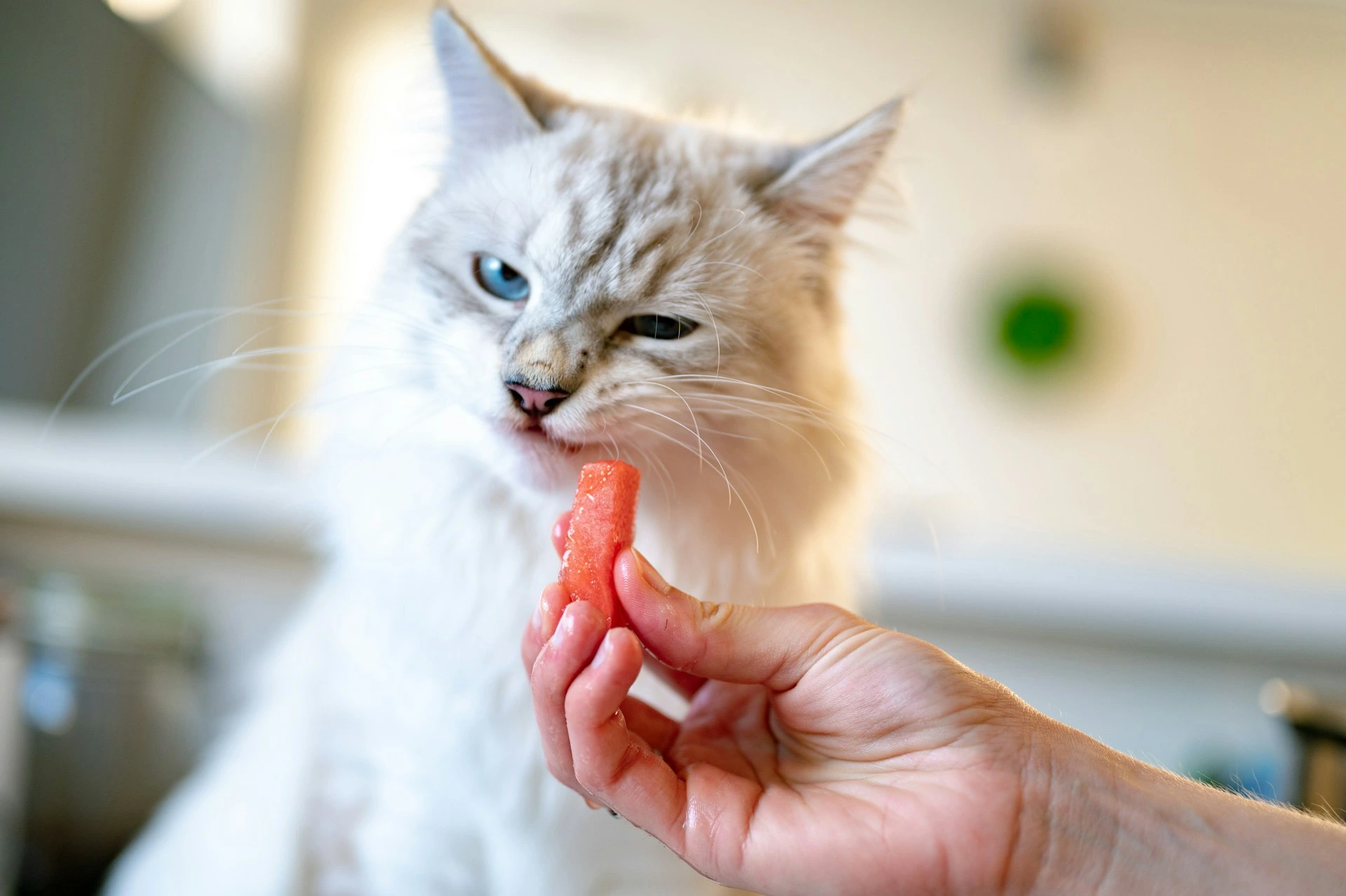

It only takes a moment—your kitty hops onto the counter, sniffs something new, and suddenly you can’t tell if she ate something or not. At Faithful Friends Animal Clinic, your Walton County, FL veterinary clinic, we regularly help pet owners navigate concerns about toxic foods and plants for cats. Many everyday items can pose a risk, even in otherwise safe homes.
Toxic foods and plants for cats are more common than many people realize. Understanding what to avoid, recognizing early warning signs, and knowing when to contact a vet can make a critical difference. With a little awareness and prevention, you can help keep your feline companion safe and healthy.
Why Cats Are at Risk for Toxic Exposure
Your feline friend is naturally curious. Whether it’s investigating a new houseplant or sneaking a bite of something left on the counter, your kitty explores the world through scent and taste.
Cats are more sensitive to some substances than other animals. Even a small amount can affect your cat in ways that might not show up right away.
That’s why something that seems harmless to you might not be safe for your cat. Learning about these risks is the first step to keeping your cat protected.
Common Toxic Foods for Cats
Some human foods can harm your cat, even in small amounts. These foods can upset their digestion, nervous system, or other parts of the body.
Foods to Avoid
Some foods should never be given to your cat, not even as a treat.
Common examples include:
- Chocolate and caffeine-containing foods
- Onions, garlic, and related ingredients
- Foods containing artificial sweeteners
- Alcohol or fermented products
These foods can cause anything from mild stomach upset to serious health problems.
Why Human Food Can Be Dangerous
Your cat’s digestive system is different from yours. Foods that are safe for people might not be safe for your cat.
Even small amounts of certain ingredients can cause discomfort or more serious reactions. It is always best to avoid sharing human food unless your veterinarian specifically recommends it.
Toxic Plants for Cats
Plants are another thing to watch out for. Many common houseplants and outdoor plants can be harmful to your cat.
Common Household Plants to Watch
Cats often chew on plants because they’re curious. Some plants can irritate, and others can affect your cat’s organs.
Examples of plants that may be harmful include:
- Certain decorative flowers
- Common houseplants found in living spaces
- Outdoor plants found in yards or gardens
Since plant toxicity can vary, it’s important to be careful with any plants you’re not familiar with.
Why Cats Are Drawn to Plants
Your cat might be drawn to plants because of how they feel or move. Leaves that sway or hang down can be especially tempting.
Giving your cat safe options, like cat-friendly plants, can help keep them away from unsafe ones.
Signs Your Cat May Have Been Exposed to a Toxin
Spotting early symptoms can help you act fast if your cat has been exposed to something harmful.
Common Warning Signs
Your kitty may show:
- Vomiting or drooling
- Changes in appetite
- Lethargy or unusual behavior
- Difficulty walking or balance issues
These signs can change depending on what your cat ate, but any sudden change should be taken seriously.
What to Do If You Suspect Poisoning
If you think your feline friend has been exposed to a toxic food or plant, quick action is important.
What should you do right away?
Call your veterinarian right away. Give them as much information as possible about what your cat might have eaten.
Avoid waiting to see if symptoms improve. Early evaluation helps your veterinary team determine the best course of action.
At Faithful Friends Animal Clinic in Walton County, FL, we encourage you to contact us right away if you’re concerned that your cat may have been exposed to a toxic substance.
Preventing Toxic Exposure at Home
Preventing exposure is one of the best ways to keep your cat safe.
Keep Hazardous Items Out of Reach
Keep food stored safely and don’t leave harmful items out. Your cat might explore places you wouldn’t expect.
Be Mindful of Plants
Look up plants before you bring them home. Keeping harmful plants out of your cat’s reach lowers the risk.
Create a Cat-Safe Environment
Giving your cat safe toys, fun activities, and the right food can help keep them from getting curious about unsafe things.
Your cat will be safer and happier in a home set up with their needs in mind.
When to Visit a Veterinarian
Even if your cat’s symptoms seem mild, it’s always best to check with a veterinarian if you think they’ve been exposed to something toxic.
When should you seek veterinary care?
If your cat shows any unusual symptoms or you think they ate something harmful, call your vet right away. Getting care early can help your cat recover better. At Faithful Friends Animal Clinic, your Walton County, FL veterinary clinic, we are here to help you respond quickly and confidently to potential emergencies.
Helping Your Cat Stay Safe Every Day
Your cat relies on you to keep them safe. Simple steps, like knowing which foods and plants are toxic, can make a big difference.
By staying informed and paying attention, you can spot risks before they become serious. Your cat’s safety starts with your awareness and care.
The ASPCA has a great list of safe and unsafe plants on their website here. You’ll find a complete list of things to avoid at the Chewy website here.
FAQ: Toxic Foods and Plants for Cats
What foods are toxic to cats?
Some foods that can be harmful to cats include chocolate, onions, garlic, and foods containing certain sweeteners. avoid sharing human food. Your kitty can have some plain, cooked meat, fish, or poultry, without the skin, bones, or fat, but anything else is off limits.
Are houseplants dangerous for cats?
Yes, some houseplants can be harmful if ingested. It is important to research plants and keep unsafe ones out of reach.
What are the signs of poisoning in cats?
Common signs include vomiting, lethargy, drooling, and behavioral changes. A veterinarian should evaluate any sudden symptoms.
What should I do if my cat eats something toxic?
Contact your veterinarian right away. Early action helps determine the best course of care and supports better outcomes.
Schedule an Appointment at Our Walton County, FL Veterinary Clinic
Understanding which foods and plants are toxic to cats is one of the best ways to protect your feline companion from unexpected dangers. At Faithful Friends Animal Clinic, your Walton County, FL veterinary clinic, we are here to help you keep your kitty safe and healthy. If you have been searching for a “vet near me,” our team is ready to support you. Call today to schedule an appointment or reach out if you have concerns about your cat’s safety.
This blog is intended for informational purposes only. Always consult with your veterinarian for proper diagnosis, treatment, and emergency care guidance for your pet.
Click here to visit our Services page for more information about our pet clinic. You can also learn about our Wellness and Vaccinations offerings here, or our Nutrition and Weight Management page here.